Skip to content
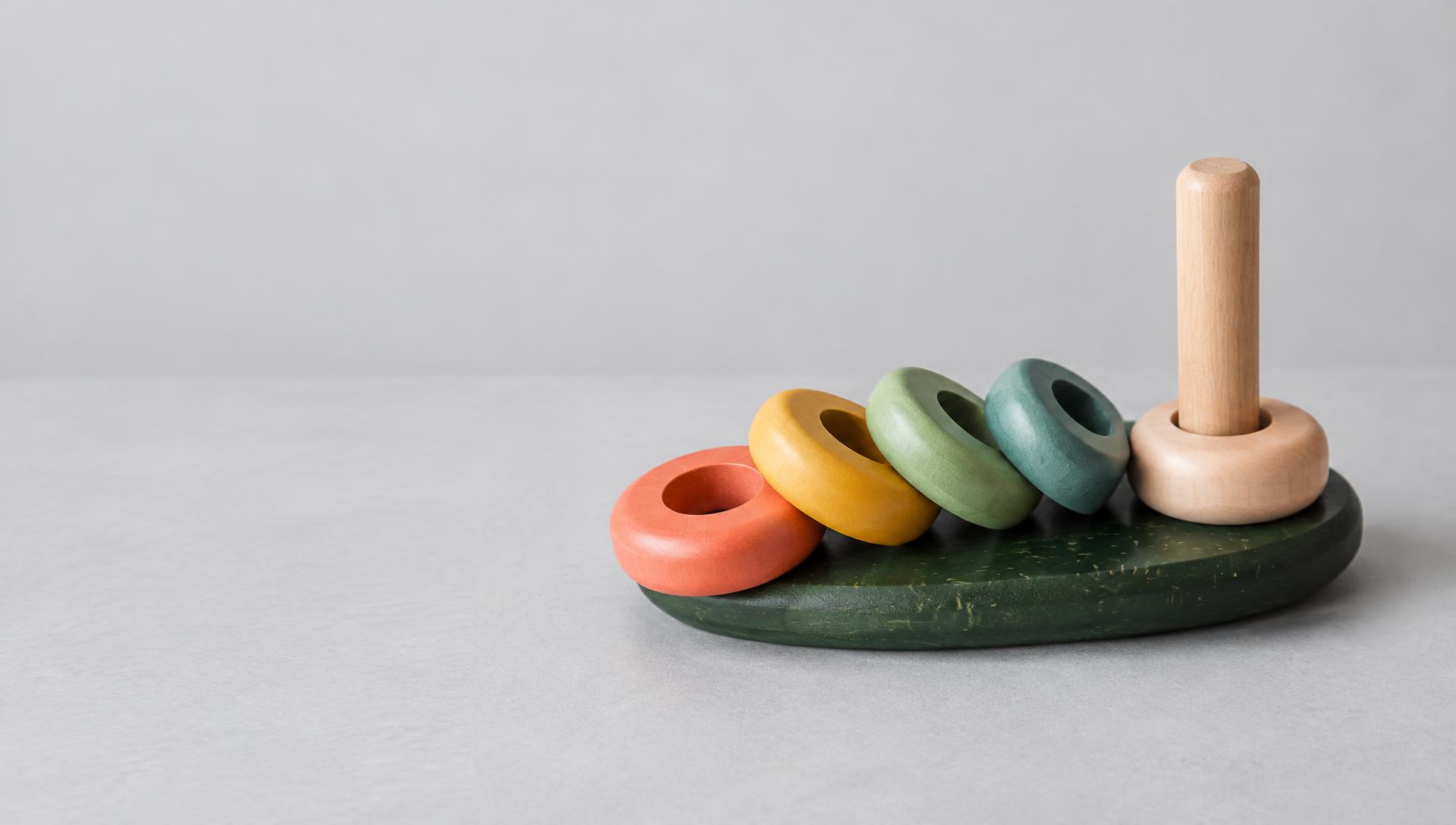
Little Stacker with coconut base, wooden post and five colourful wooden rings

Intelligent Provenance

Real evidence. Remarkable stories.

Your product’s history is more than a file. Intelligent Provenance turns connected records into clear product information, magazine ready copy and illustrated storybooks. Built from real data. Shaped for your audience. Governed by your organisation’s sharing policies.

Book a demo

The same product, three ways

Facts for a buyer.
A feature for a reader.
An adventure for a family.

The voice changes. The evidence does not. Meet Little Stacker, an adapted product example from fictional Acme Playworks, based on your supplied public Orbit records.

Organisation · Acme Playworks

Little Stacker

Product
Little Stacker
Materials
Coconut shell and natural timber
Components
Coconut base, wooden post and five wooden rings
Product reference
AP-5914
Connected record
Five linked lots, 108 recorded details, one tracking event and two evidence documents

Selected product facts appear here. Supplier contacts, commercial terms and private working records stay outside the story.

Open original public report
The evidence behind all three versions
Material and components
Coconut shell and natural timber. Coconut base, wooden post and five wooden rings.
Connected history
Five linked lots, 108 recorded details, one tracking event and two evidence documents.
Original public product
View the supplied Live Link

Based on the supplied public Orbit product record, with product and organisation names replaced. Illustration and wording are adapted. Product images and storybook illustration are generated alternatives. Sample translations are prepared examples; the original public reports offer a broader language selection and retain their original organisation and certification disclosures.

More than a better description.

01

A story with substance

Let the work behind your product speak.

Orbit brings the product, its connected lineage and the evidence permitted for sharing into a provenance fact sheet. Materials, components, places and recorded activity provide the foundation. The narrative is built from that foundation, not a blank prompt asking someone to invent a compelling origin story.

  • Use connected product records
  • Carry component context
  • Reuse recorded operational history
  • Keep claims grounded in available evidence
02

Five ways to tell it

A technical buyer and a family need different stories.

Choose a Product Information Form for structured buyer information, The Facts for a factual account, a Marketing Overview for customer friendly copy, Magazine for a longer editorial feature, or Storybook for five illustrated chapters. One evidence foundation can serve practical buying decisions and memorable product experiences.

  • Product Information Form
  • The Facts and Marketing Overview
  • Magazine feature articles
  • Five chapter illustrated storybooks
03

Your audience. Your voice.

Make the story feel at home where it is read.

Marketing and magazine modes offer editorial voices, from measured reporting to an exploration of how something is made. Storybooks can be shaped for young children, older children, teenagers or the whole family. Refinements give the writing a brief without giving it permission to manufacture new product facts. Imaginative play belongs in the story, not in the evidence.

  • Choose an editorial style
  • Match a storybook age group
  • Refine the writing brief
  • Separate imagination from factual claims
04

Transparency on your terms

Tell the story. Protect the business.

Provenance fact collection respects the organisation’s resolved Live Link disclosure settings. Share the relevant product context without exposing every attribute, contact, operational event or detail of the source chain. A beautifully written report should not become a back door into private working records.

  • Apply organisation disclosure settings
  • Control shared product attributes
  • Limit shared lineage detail
  • Keep private records outside the narrative
05

Beyond one language

Meet your reader in their language.

Public provenance pages offer translation of both the narrative and the surrounding page labels. Orbit’s language selection spans European and Asian languages, including French, Spanish, Vietnamese, Thai, Japanese and Chinese. Give international buyers and families a readable experience without preparing every version from scratch.

  • Translate the product narrative
  • Translate public page labels
  • Reach international audiences
  • Keep the same evidence foundation

One capability. Many commercial uses.

Use the format that fits the decision, not the same paragraph for everyone.

Illustrative evidence

Product information without another blank form

Bring permitted materials, component information and recorded provenance into a structured product information report for a buyer’s review.

Shared on your terms

Audience
Technical and purchasing teams
Format
Product Information Form
Foundation
Shared product facts
Benefit
Less repeated preparation

Illustrative use cases. Report quality depends on the evidence available and permitted for sharing. Review generated copy and translations before using them commercially.

Connected, not another content silo

Record the work.
Give the story somewhere to go.

Production Manager

Preserve the material and component journey through product transformations.

Explore Production Manager

Intelligent Provenance

Turn the permitted evidence into the format and voice your audience needs.

See the example

Live Links

Put selected product information and provenance reports within a scan’s reach.

Explore Live Links

Make the story as good as the product.

Turn the evidence you already hold into something your buyers can use, your readers can enjoy and your business can stand behind.

Book a demo