Skip to content
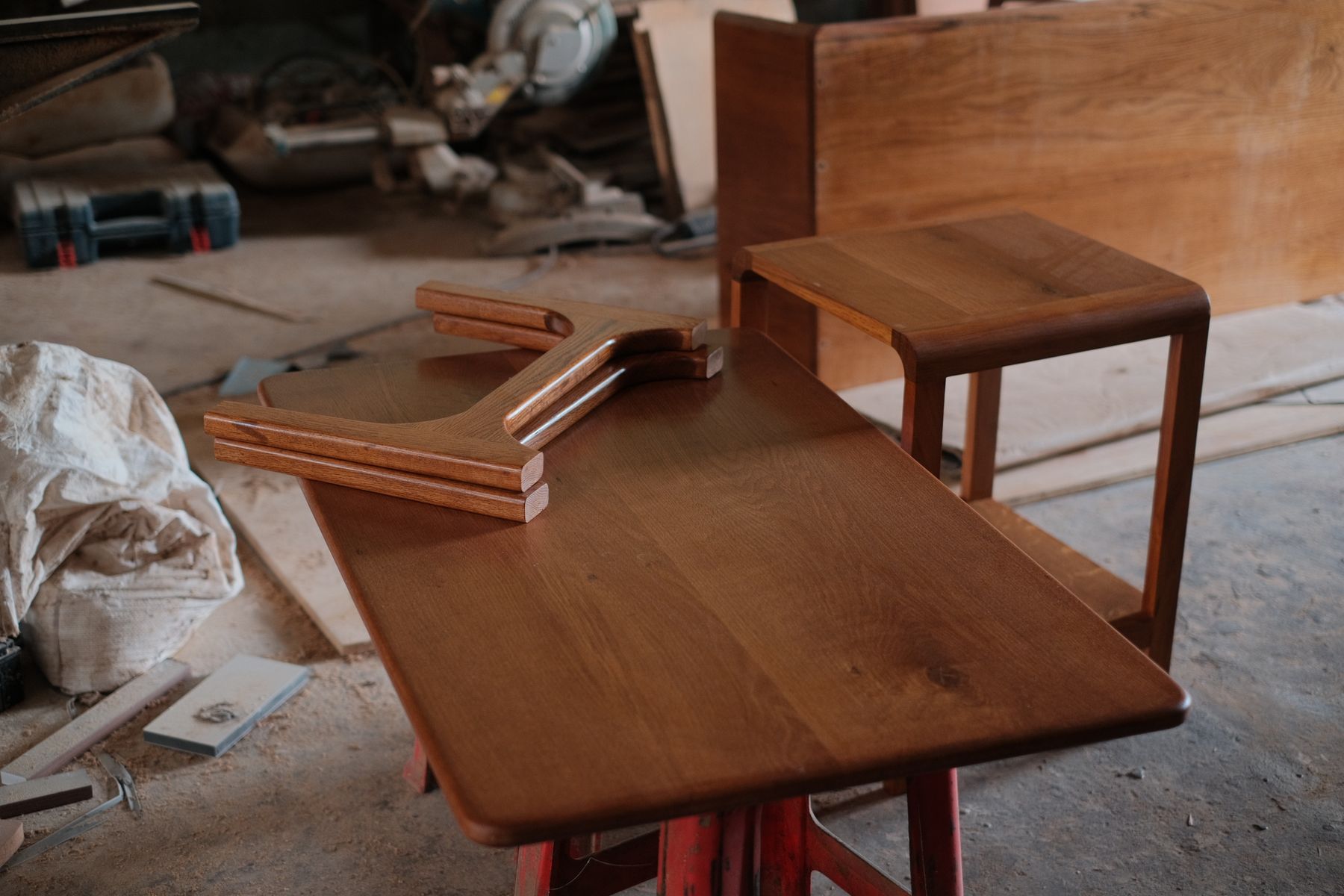
Wooden chair components and finished furniture in a real woodworking workshop

Wooden Products

Wooden Products. Every piece has a history.

Furniture, joinery, flooring and wooden homewares carry claims about origin, quality and responsible sourcing. Haloglide connects the timber, components and production evidence behind those claims, from incoming material to finished product.

Book a demo

For the people doing the work

The timber changes shape. Its history stays connected.

A furniture order brings sourcing, production and customer requirements together. Each team adds the evidence that belongs to its part of the work.

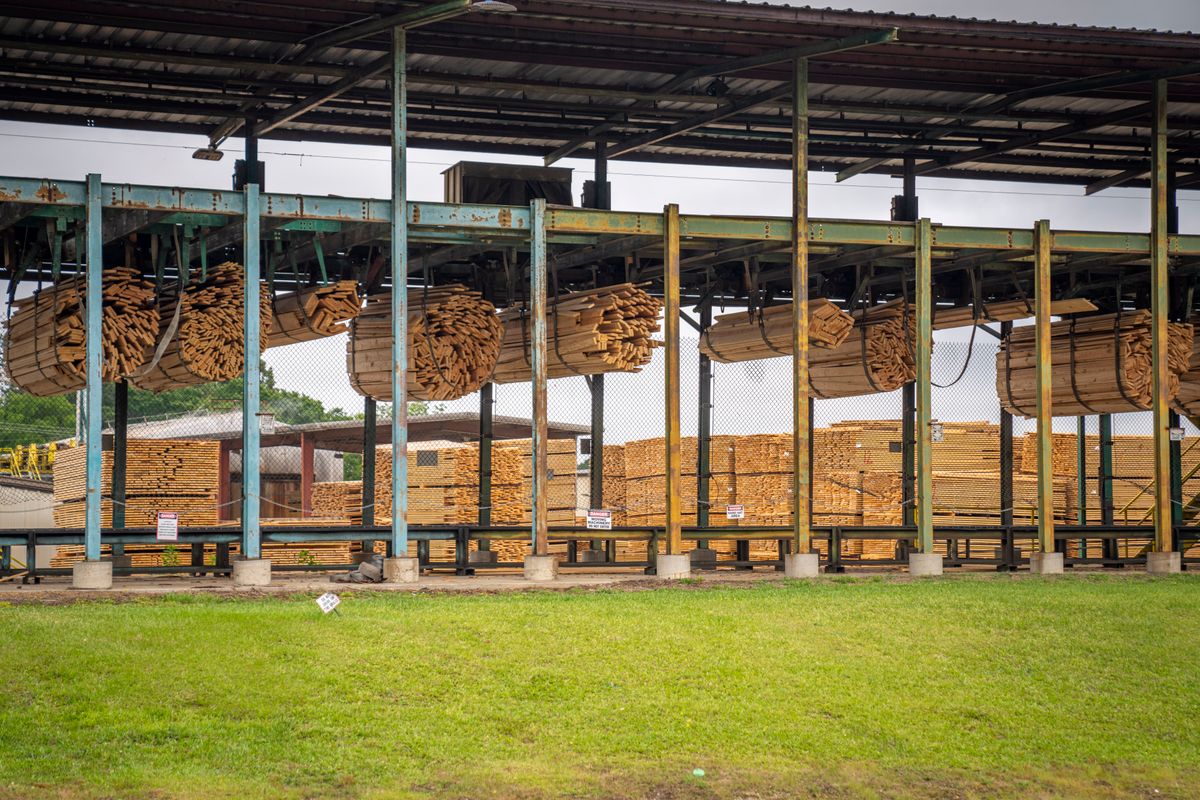
Timber boards organised in a lumber yard before manufacturing

Timber intake · Source record

  • Supplier and incoming lot
  • Quantity and unit
  • Origin and supporting documents

Sourcing and intake

Know the material before it reaches the bench.

Register the incoming timber lot with its supplier, quantity and supporting documents. Keep source locations, certification records and reclaimed material declarations attached to the material they describe, rather than treating a supplier certificate as proof of every delivery.


Woodworker shaping a timber component at a workshop bench

Component lot · Production history

  • Inputs linked to outputs
  • Recorded quantities
  • Inspection and process evidence

Manufacturing and quality

Keep the source through every cut and assembly.

Connect board lots to component lots, then connect those components to the finished batch. Record processing and inspection against the relevant lot. A quality result stays with the work it assessed, and a component can be followed back to its inputs.

Office reviewer examining documents for a purchasing decision

Finished lot · Buyer review

  • Selected origin evidence
  • Relevant quality records
  • Due diligence where applicable

Buyer and importer

Review the order, not a folder of unrelated files.

Give the buyer selected origin, production and quality evidence for the finished lot. Where EUDR applies, keep contributing plot evidence and the prepared due diligence record available for review. Private production details do not need to become public product information.

From source to finished piece

One product. More than one input.

A chair can contain timber from several lots, purchased components and finishing materials. Its evidence needs to follow those relationships, not stop at the final assembly date.

  1. Source

    Plot or recovered material record

  2. Timber

    Incoming lot and supplier evidence

  3. Components

    Inputs, outputs and quantities

  4. Finished goods

    Batch, units and quality history

Different materials. Clear source records.

Keep certified timber, other sourced timber and recovered wood identifiable in their own lots. Retain the evidence appropriate to each source. The material description alone does not establish certification, legality or an exemption from a market requirement.

Offcuts are outputs too.

Record reusable offcuts, chips or sawdust as identifiable outputs where your operation needs them tracked. Keep their recorded quantities and source relationships available for the next use, instead of losing that history when the main product is completed.

Explore Production Manager

The platform in practice

The right tool for each part of the journey.

Production Manager

Create, split, combine and transform lots. Follow the family tree from finished goods back to timber and component inputs, with quantities recorded at the relevant step.

Explore Production Manager

Flight Recorder

Keep receiving, processing, inspection, storage and dispatch in the lot history. Supporting documents stay linked to the activities they explain.

Explore Flight Recorder

Halo ID and Live Links

Reserve sequential unit identities for the finished lot and export label data. A GS1 ready Live Link gives the customer selected product information and evidence.

Explore Halo ID and Live Links

Halo Connect

Offer a buyer a published evidence view or let a supply partner use a read only lot as an input. Choose the handover that fits the relationship.

Explore Halo Connect

Scout and land evidence

Review source locations with mapped boundaries and available land insights. Keep land observations beside supplier and product evidence when assessing a sourcing claim.

Explore Scout and land evidence

Haloglide Crew for source teams

Capture observations, readings and photographs out in the field. Integrated security keeps each person's available tasks within the access their role permits.

Explore Haloglide Crew

Proof that answers a real business question.

01

Origin and sourcing

Which material supports this sourcing claim?

Keep supplier records, source locations and certificates with the incoming lot. A finished product can then be traced through its components to the evidence behind its material sources. Supplier approval and product evidence remain distinct, so a claim can be assessed against the material actually used.

  • Connect evidence to the delivered material
  • Retain source context through processing
02

Production and quantities

What went into this batch, and what came out?

Record component inputs and their quantities, then connect them to the output lot. Keep counts, weights or volumes with their units at the relevant stage. Splitting a lot or combining components changes the product structure without discarding its ancestry. Where needed, record residue lots alongside the main output.

  • Follow the finished lot back to its inputs
  • Keep quantities meaningful at each stage
03

Quality and inspection

What evidence supports the finished specification?

Configure the records your operation needs, such as timber grading, moisture readings, dimensions, surface checks or finished product inspections. Keep the result, date and supporting information with the relevant lot or activity. These records support your quality review; they do not replace a required laboratory assessment or independently certify product safety.

  • Retain results with the work assessed
  • Reuse relevant evidence for buyer review
04

EUDR and buyer requirements

Can the importer review the sources behind the shipment?

For products within EUDR scope, connect contributing plot locations, recorded checks, risk reasoning and supporting documents to the commercial lot. Prepare the due diligence record from those connections. Product classification, applicability and the operator's review and submission remain human responsibilities. Certification evidence can contribute to the review, but does not replace due diligence.

  • Connect the shipment to contributing sources
  • Prepare evidence for an informed review
05

Product identity and story

What should a customer see when they scan?

Use Halo ID to connect a finished unit to its lot. Virtual Range Manager reserves sequential unit identities and supports label exports. Live Links combine selected origin evidence, product information and media in a published experience. GS1 readiness supports the link structure without implying GS1 certification or endorsement.

  • Connect the physical piece to its record
  • Publish selected proof beside the story
06

Assurance without exposure

How much does each recipient need to know?

A buyer, a supply partner and an assurance reviewer need different parts of the record. Share the selected experience with the connected organisation. Use a Live Link for a published view or a Smart Link when a partner needs to use a read only source lot as a component. Keep commercially sensitive detail outside the published experience.

  • Reuse evidence across customer requests
  • Match the handover to the relationship

The same finished lot. Three useful views.

A furniture batch illustrates how connected evidence supports different decisions without making every record public.

Illustrative evidence

Follow the components behind the order

Start with the finished furniture lot and review its inputs and recorded production history.

Shared on your terms

Inputs
Timber and component lots
History
Processing and assembly records
Quality
Relevant inspection results

Illustrative workflows and records use demonstration data. Preserved Orbit captures, where shown, are not live customer records. Aerial imagery: LINZ.

Make the craftsmanship visible. Keep the evidence connected.

Start with the records your sourcing and production teams already need. Use them again for buyer questions, assurance and the story behind the finished piece.

Book a demo