Skip to content
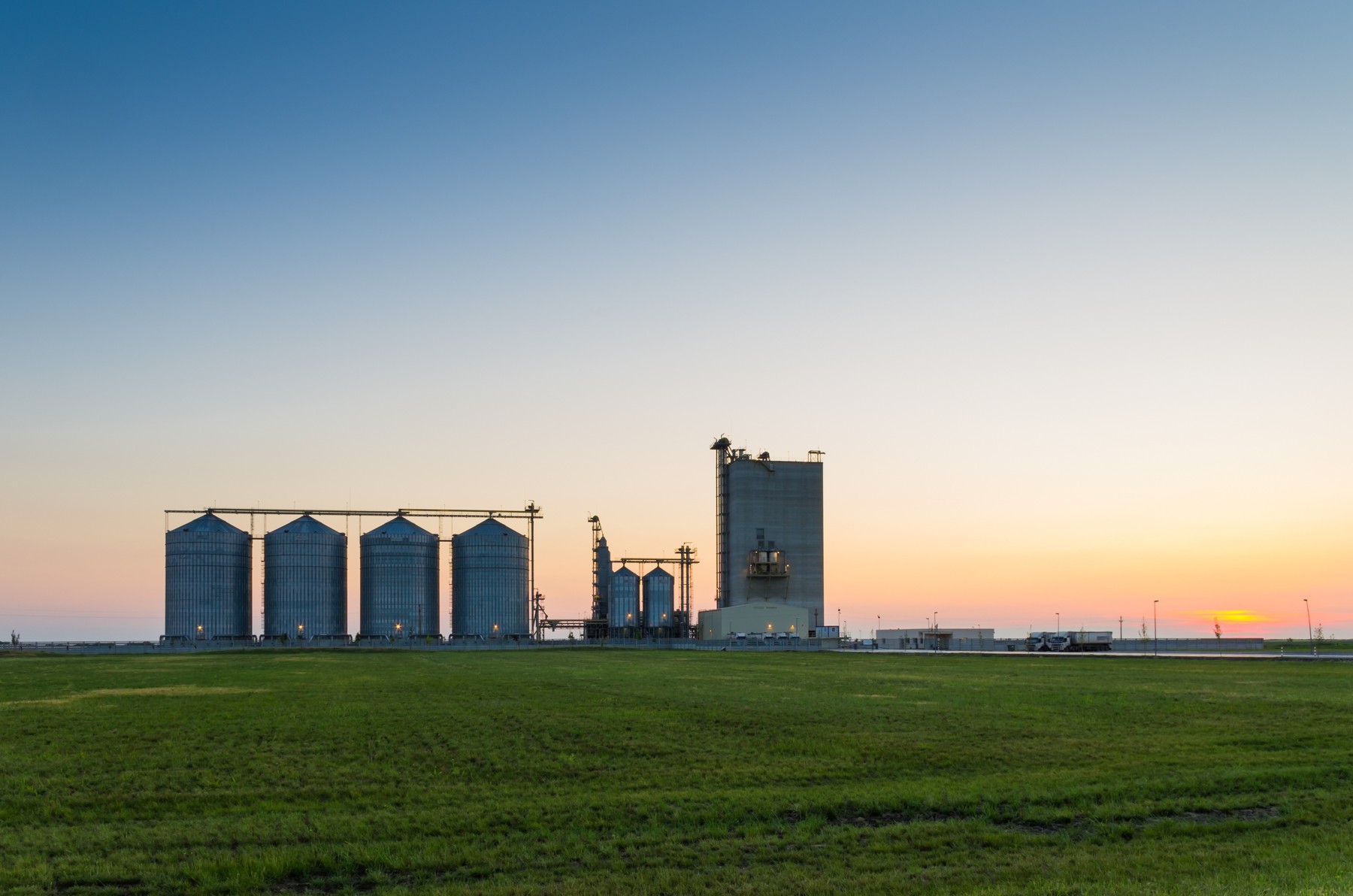
Grain silos across open farmland from the supplied Haloglide grain flyer

Grain

Grain. Every tonne counts.

Every delivery, grade, storage movement, blend and shipment affects the value of the grain you buy, hold and sell. Haloglide connects grower and receival records, stock locations, quality and dispatch so your team can see what it has and support each transaction with evidence.

Book a demo

For the people doing the work

From the grower’s harvest to the trader’s delivery.

Each team contributes the evidence that belongs to its part of the work. The next team can follow the record without starting again.

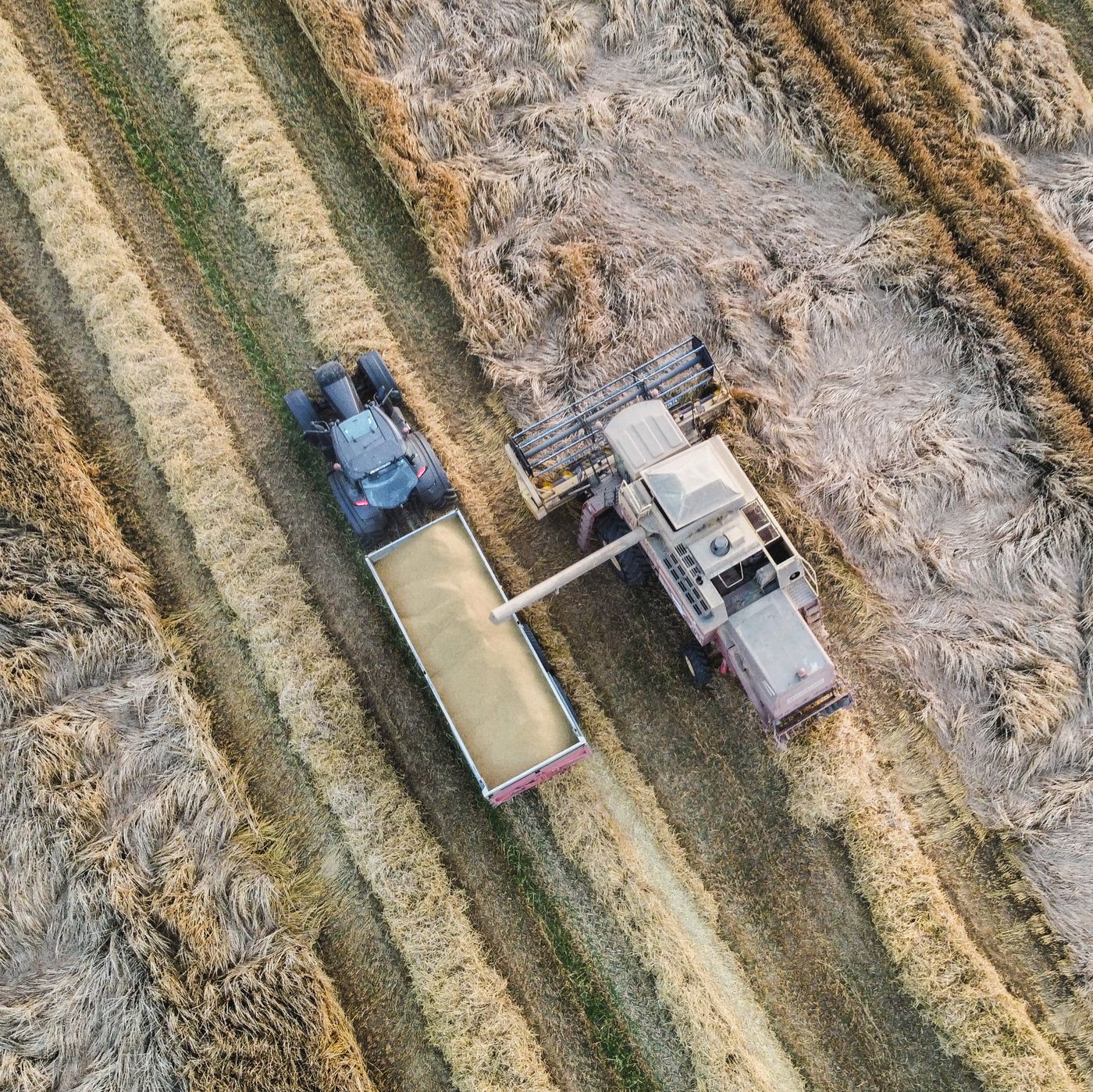
Combine harvester and trailer working in a grain field

Grower and source record

  • Property, paddock and season
  • Commodity and variety
  • Crop and harvest evidence

Grower and harvest team

Give the delivery a source history.

Connect the grower, property, paddock, commodity, variety and season to grain receivals. Keep recorded crop inputs and harvest evidence with the source so the receiving team has more than a truck number.
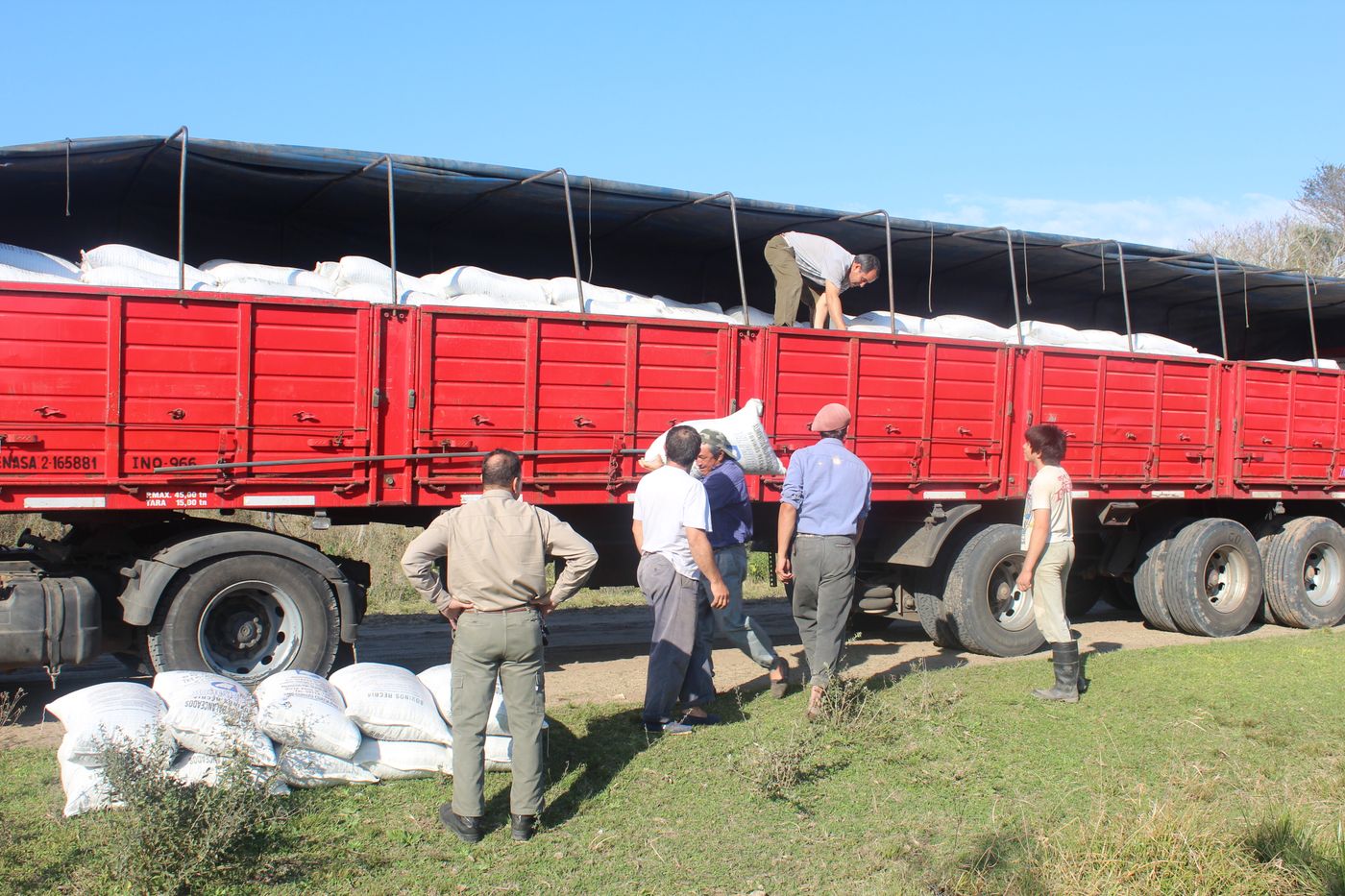
Workers unloading grain sacks from a truck at a receiving site

Grain receival

  • Docket and contract reference
  • Gross, tare and net weights
  • Sample and unloading location

Receival and quality team

Record what arrived, not just who delivered it.

Capture the docket, supplier, carrier, contract reference and gross, tare and net weights. Connect the delivery to its unloading location, samples and quality results so the receival record remains useful through storage and sale.

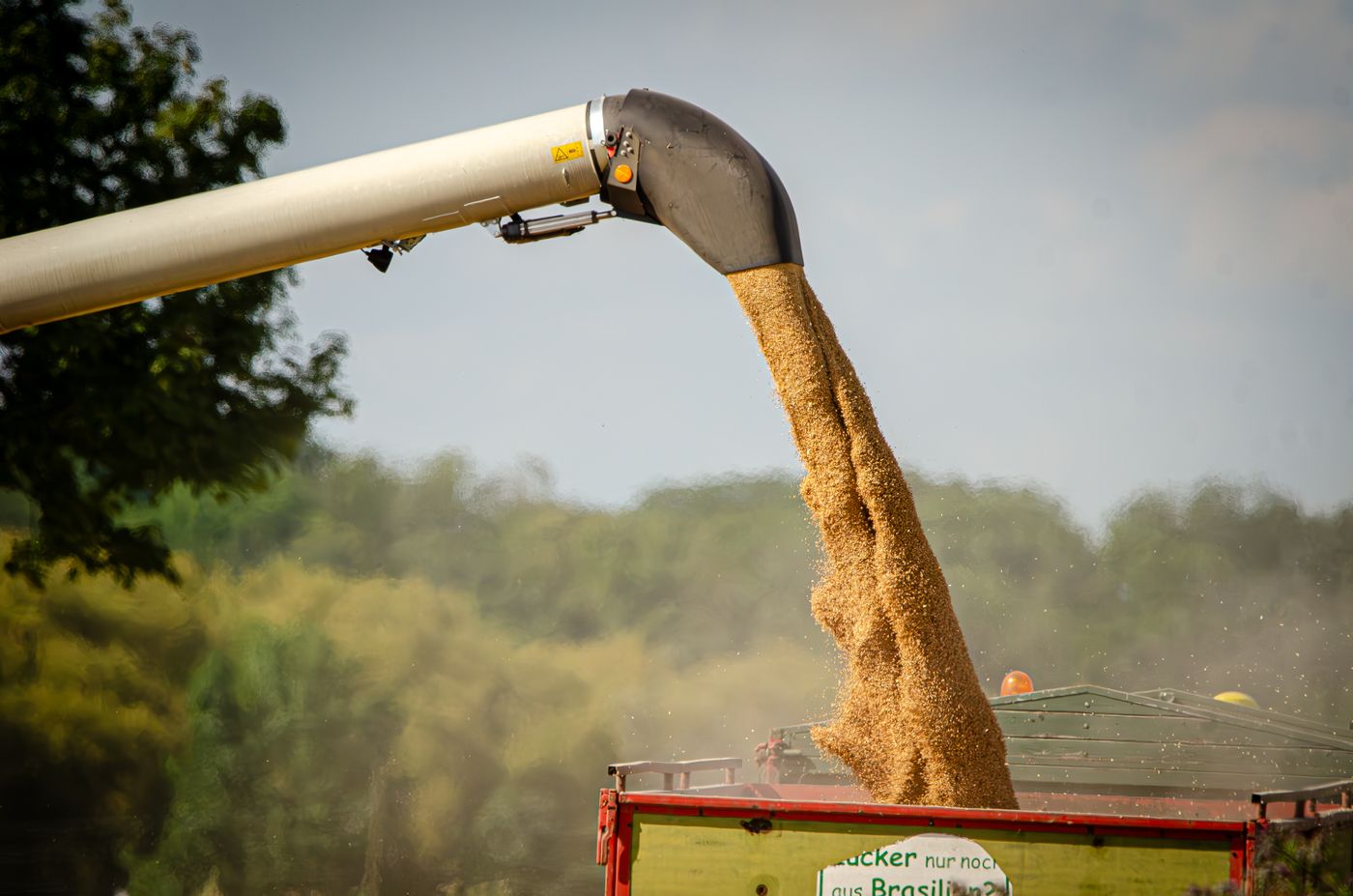
Grain being transferred from a combine into a trailer

Stock and movement record

  • Lot quantity and storage location
  • Transfer and blend relationships
  • Commercial lot and shipment

Storage and trading team

Keep the source through every movement.

Follow recorded quantities through bins, silos, transfers and blends. Connect commercial lots to dispatch and supporting documents. Review stock on hand, capacity and recorded quality when planning the next delivery.

The work behind the product

From receival to delivery. Follow every tonne.

Growers and paddocks connect to incoming lots. Quality results describe those lots, storage records show their locations, and movements, blends and commercial lots preserve the relationship to the grain dispatched.

1 / 5

Receival

Delivery and incoming grain lot

Capture the work once.

  • Capture docket and contract reference
  • Record grower, property, paddock and commodity
  • Capture gross, tare, net and unloading location

Connected records

Source
The receival connects the supplier and growing place to the incoming grain.
Transport
Carrier and vehicle details stay with the delivery.

Sample and grain lot

Capture the work once.

  • Capture commodity specific readings
  • Connect the laboratory result
  • Review the buyer specification

Connected records

Sample
The assessment belongs to the grain sampled.
Review
Results provide evidence for the quality decision.

Lot at a storage location

Capture the work once.

  • Record silo or bin placement
  • Track source and destination movements
  • Review quantities and segregation

Connected records

Location
The location contains identifiable lots and recorded stock.
Movement
Each transfer retains quantity, unit, time and location context.

Selected or blended grain

Capture the work once.

  • Connect contributing lots
  • Record splits and blend quantities
  • Retain contract and quality evidence

Connected records

Inputs
Commercial lots remain connected to their source grain.
Decision
Recorded quality and quantities support stock selection.

Loadout and shipment

Capture the work once.

  • Record loadout weight and carrier
  • Connect delivery and trade documents
  • Share relevant buyer evidence

Connected records

Shipment
The outgoing shipment connects to the commercial lot.
Buyer
Source, handling and quality can be reviewed without exposing every trading record.

Storage places with the stock behind them.

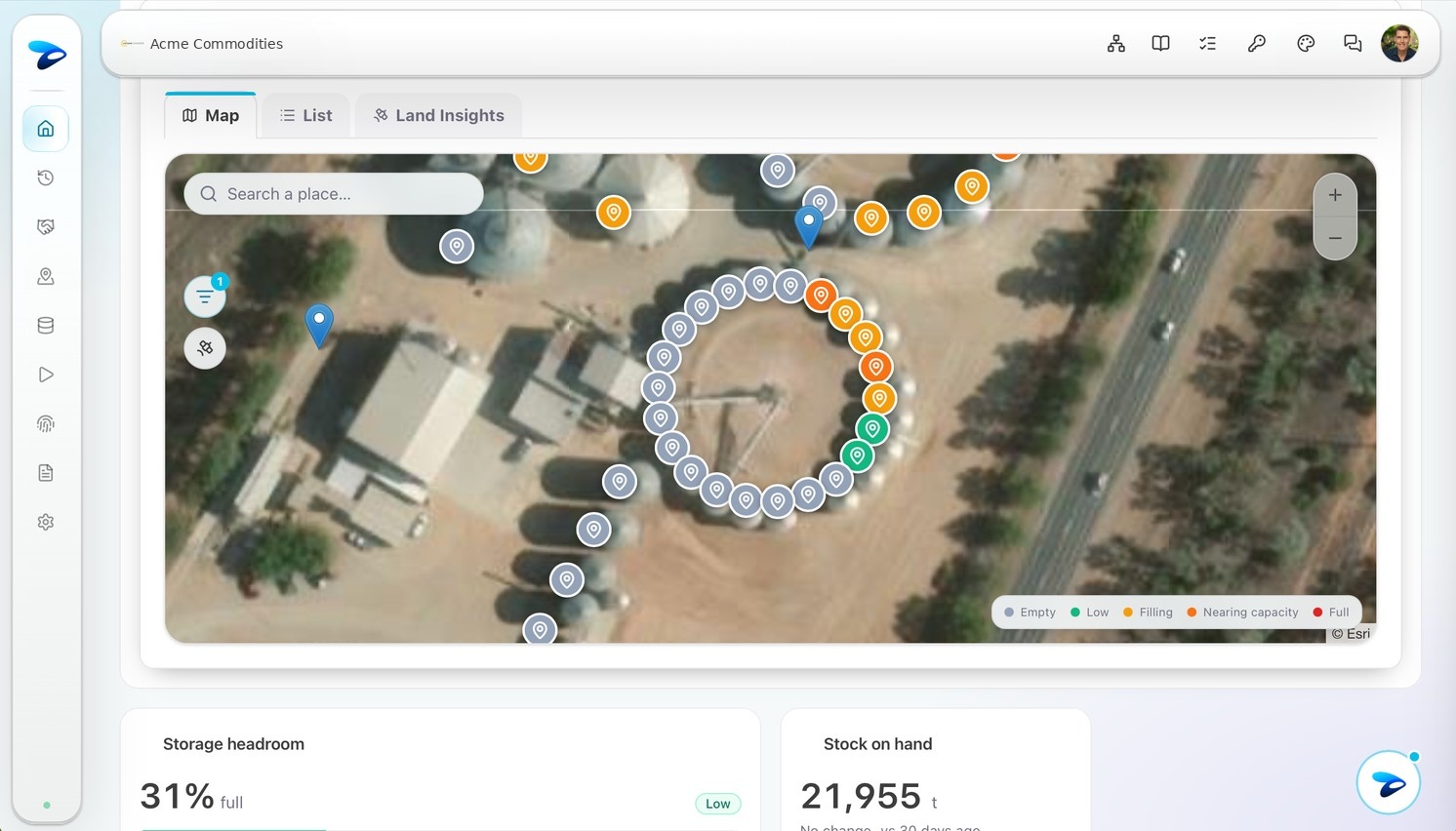
The Acme Commodities demonstration brings mapped storage, capacity and stock on hand into one view. The map is a starting point for the lot and movement records behind the total, not a substitute for them.

Orbit map and storage overview for Acme Commodities, demonstration data

The connected journey

Different deliveries. Connected stock and evidence.

  1. 01

    Grower and intake

    Source, docket and net weight

  2. 02

    Quality

    Samples, results and specifications

  3. 03

    Storage and blend

    Location, quantities and inputs

  4. 04

    Dispatch

    Commercial lots and delivery records

Proof that answers a real business question.

01

Grower management and receival

Can you follow a delivery back to its source?

Connect contracted growers, properties and paddocks to the delivered grain. Receival tasks capture commodity, variety, season, origin, supplier, carrier, vehicle, docket and contract reference with gross, tare and net weights. Keep the unloading location in the same record.

  • Retain the source and docket
  • Connect weights to the receival
02

Quality and specifications

Does the recorded quality support the buyer’s requirements?

Connect samples and laboratory results to the grain lot. Configure moisture, protein, screenings, contaminants and other commodity specific results, then review them against the relevant buyer specification. Keep evidence tied to the grain assessed rather than copying a grade into an unrelated document.

  • Review results against the specification
  • Keep samples and laboratory evidence connected
03

Storage, segregation and blending

What is in each location and how did it get there?

Track lot quantities and movements through silos, bins and other storage places. Multiple deliveries of the same grain can share a bulk silo; source relationships still matter. Orbit highlights conflicting commodities or recorded GM statuses in one location. Transfers and blends retain contributing lots and output relationships.

  • See stock and storage capacity
  • Review meaningful segregation exceptions
04

Trading, allocation and dispatch

Which stock and evidence belong to this delivery?

Use recorded quantities, grades and locations to inform stock selection and customer allocation. Connect commercial lots, contract references, loadout weights, carriers and trade documents to the dispatch record. The connected record supports fulfilment decisions without implying automated trading or guaranteed margins.

  • Keep the contract with the delivery
  • Follow commercial lots to their inputs

One evidence base. Different decisions.

Each role needs a different view of the connected record. These illustrative examples show what belongs in each review.

Illustrative evidence

Check the delivery from docket to storage

One receival retains the commercial, transport and source context.

Shared on your terms

Source
Grower, property and paddock
Weights
Gross, tare and net
Destination
Recorded unloading location

Illustrative workflows and records use demonstration data. Photography illustrates industry activities, not customer operations.

Put the platform to work

Explore the next part of your journey.

Production Manager

Maintain inputs and quantities through splits and blends.

Explore Production Manager

Mission Control

Review locations, stock and the connected records behind them.

Explore Mission Control

Flight Recorder

Keep receiving, storage and dispatch history together.

Explore Flight Recorder

Australian food traceability

Reuse connected grain records for food traceability review.

Explore Australian food traceability

Let your work speak. Give it the evidence to do so.

Start with the records your team already needs. Keep them connected for the next buyer question, partner handover or assurance review.

Book a demo