Skip to content
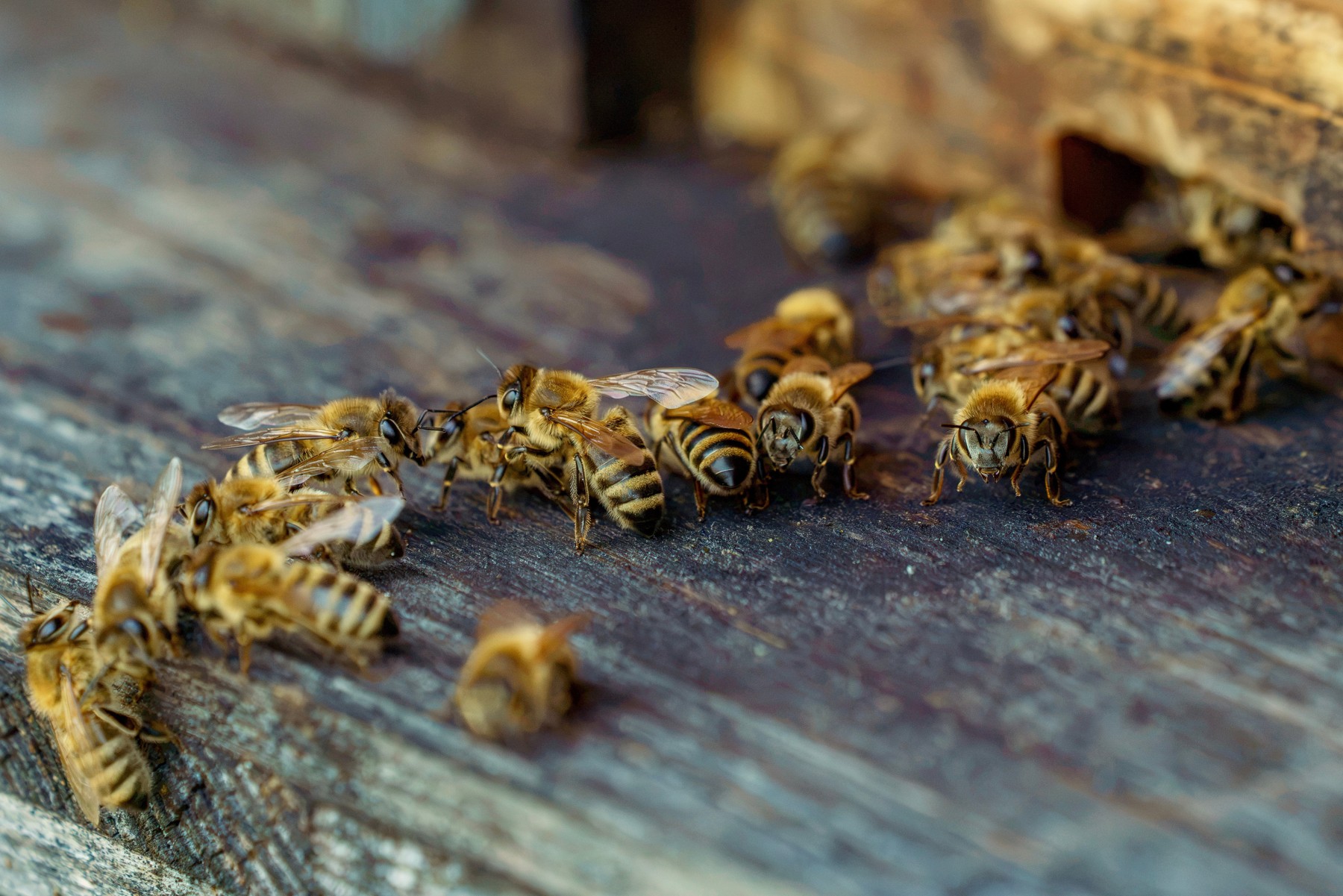
Honeybees on a hive, from the supplied Haloglide honey flyer

Honey

Honey. Great work. Worth proving.

From apiary to jar, every harvest, extraction, blend and packing run contributes to the value of your honey. Haloglide connects everyday work to origin, quality and batch evidence so you can run the business with clarity and give buyers a reason to trust it.

Book a demo

For the people doing the work

At the apiary, through extraction and into the buyer’s hands.

Each team contributes the evidence that belongs to its part of the work. The next team can follow the record without starting again.

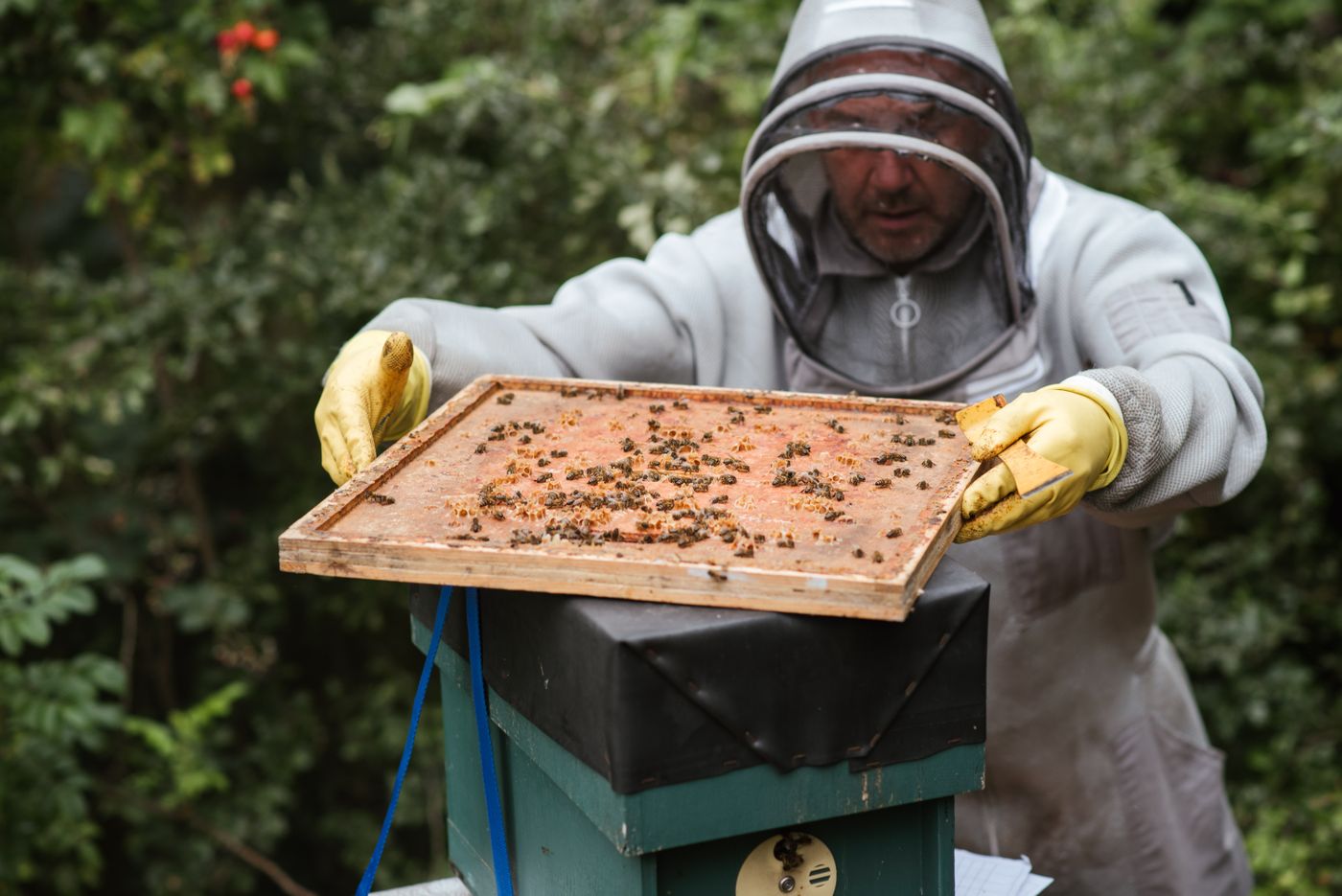
Beekeeper inspecting a hive frame outdoors

Apiary and harvest record

  • Apiary and hive context
  • Inspection and treatment history
  • Harvest date and quantity

Beekeeper and field team

Keep the harvest with its apiary.

Record apiary locations, hive inspections, treatments and harvests through configured tasks. Capture dates, quantities, observations and photographs in the field, keeping the source information with the honey collected.
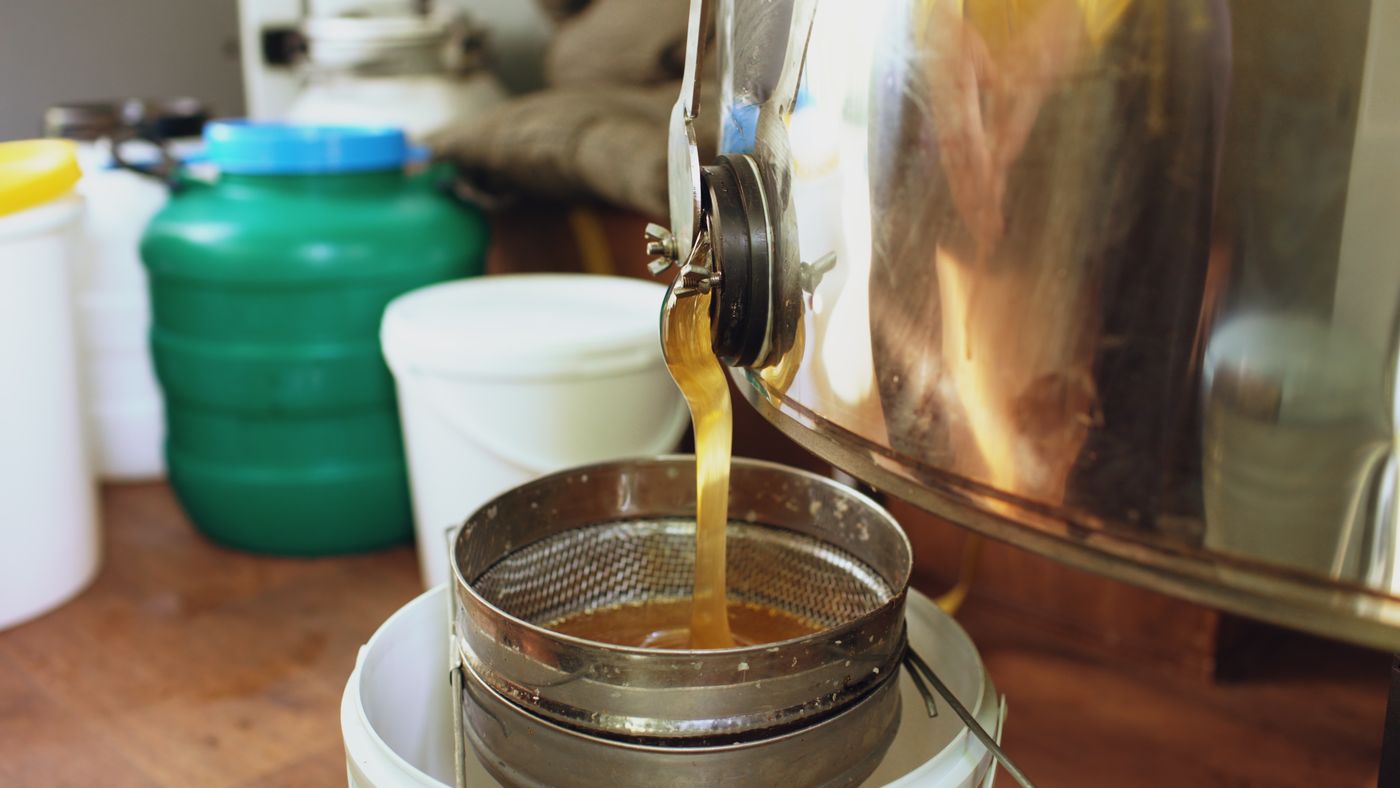
Honey flowing from a stainless steel extractor into a filter

Extraction and bulk lot

  • Contributing harvests
  • Drums, quantities and locations
  • Blend and production relationships

Extraction and production team

Know what went into every batch.

Connect harvests to extraction and bulk honey lots. Record containers, transfers, splits and blends with input and output quantities. Keep the source relationships when several harvests become one production batch.

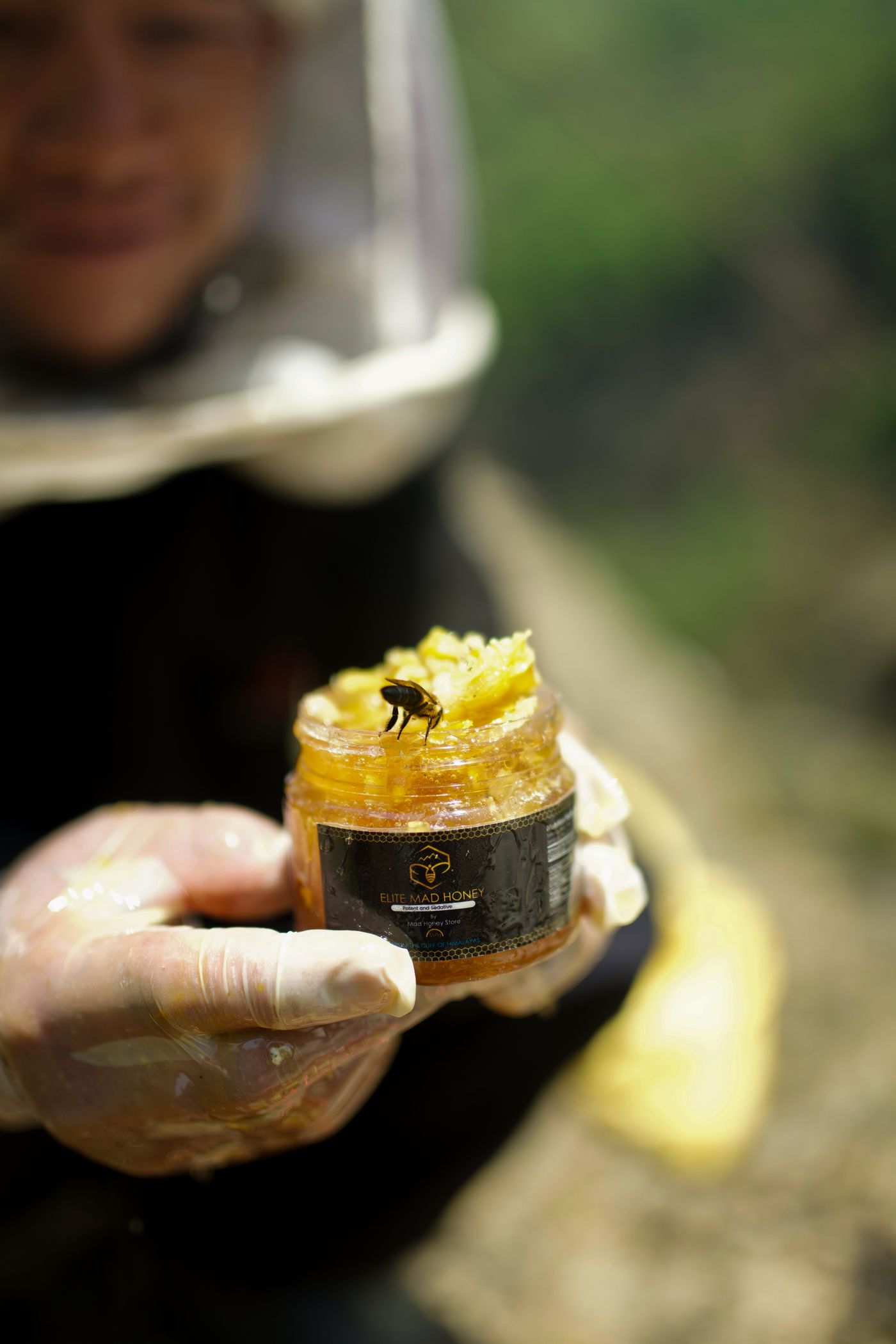
Beekeeper holding a finished honey jar for inspection

Finished product evidence

  • Batch quality and samples
  • Packing run and lot identity
  • Selected origin and product information

Quality, packing and commercial team

Make the finished jar a useful starting point.

Keep samples, moisture readings, laboratory results and relevant certifications with the batch. Connect packing runs and product identities to the finished lot, then share the selected evidence a buyer or customer needs.

The work behind the product

Apiary to jar. The source stays with the honey.

Apiaries and harvests establish the source. Extraction, bulk honey, blends, samples, packing and shipments describe what happens next. Each task adds evidence to the record it belongs to, while component relationships keep the finished product connected to its inputs.

1 / 5

Apiary

Apiary and hive record

Capture the work once.

  • Register apiary and producer
  • Capture inspections, treatments and observations
  • Record relevant field readings

Connected records

Place
The apiary provides the location context for the harvest.
Activity
Inspection and treatment records remain with the field work.

Honey harvest lot

Capture the work once.

  • Record harvest date and source
  • Capture quantities and containers
  • Connect the harvest to the apiary

Connected records

Source
Harvest records retain their apiary and producer.
Output
Extraction receives identified harvest inputs rather than an anonymous quantity.

Bulk honey lot

Capture the work once.

  • Record extraction and bulk containers
  • Capture transfers and quantities
  • Link samples to the bulk honey

Connected records

Inputs
Bulk honey retains contributing harvest lots.
Quality
Samples and laboratory results describe the specific honey assessed.

Blend and production run

Capture the work once.

  • Select contributing bulk lots
  • Record input and output quantities
  • Connect production and packaging

Connected records

Composition
The finished blend preserves its contributing honey relationships.
Output
Production runs connect the blend to packing and finished products.

Product lot and shipment

Capture the work once.

  • Record packing and dispatch
  • Connect unit or lot identities
  • Share selected quality and origin

Connected records

Product
A finished jar links to its packing run and source batch.
Buyer
The published view contains chosen evidence, not private operations.

Bulk honey, production runs and finished lots in context.

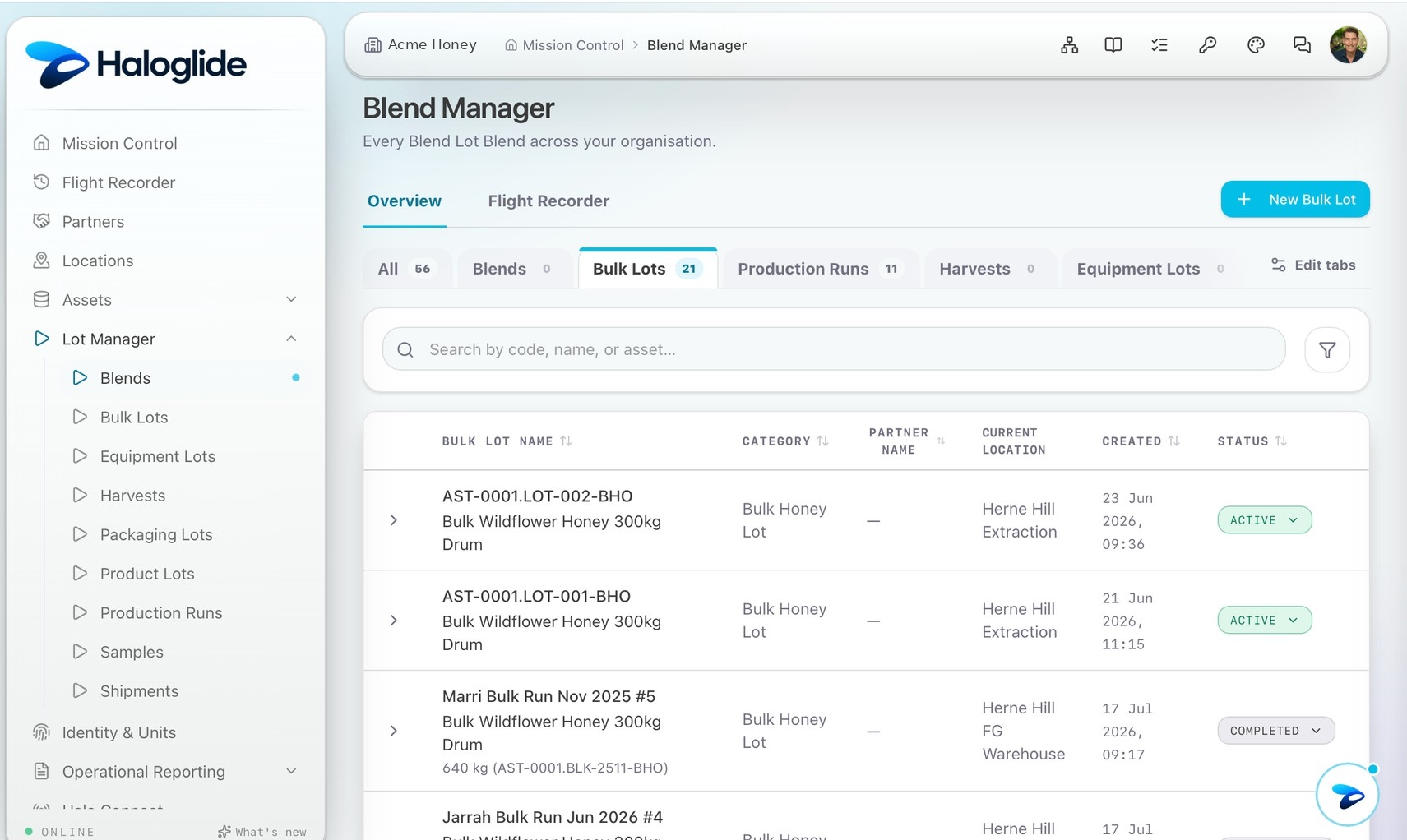
The Acme Honey demonstration shows how bulk lots, samples, packaging, production runs and shipments sit within the same operational structure.

Orbit Blend Manager showing bulk honey lots in the Acme Honey demonstration

The connected journey

The harvest becomes a blend. The source remains.

  1. 01

    Apiary

    Locations, inspections and treatments

  2. 02

    Harvest

    Source, date and quantity

  3. 03

    Bulk and blend

    Extraction, containers and inputs

  4. 04

    Jar and buyer

    Packing, quality and selected proof

Proof that answers a real business question.

01

Apiary and supplier management

Where did this honey begin?

Connect producers, suppliers and apiary locations to harvest records. Capture hive inspections, treatments and operational observations as part of the work, rather than reconstructing the source history when a buyer asks. Ingest hive scale data, environmental data and other sensor readings alongside field records, keeping measurements connected to the apiary and its operational history.

  • Retain the source apiary
  • Reuse harvest and inspection records
02

Extraction, blending and stock

What went into the finished batch?

Follow harvest lots into extraction, bulk drums, blends and production runs. Production Manager preserves component relationships through transfers, splits and combinations, with quantities recorded at each step. Keep the location and container context so a blend can be understood through its contributing honey.

  • Follow every contributing source
  • Keep quantities and container history
03

Quality testing and grading

Which results support the quality claim?

Link samples, moisture readings, laboratory reports and supporting certifications to the batch assessed. Configure the quality information your operation needs and keep the report in context. A recorded result supports review; it does not automatically establish a grade or certify a claim.

  • Review the correct batch result
  • Keep evidence beside the claim
04

Packing, dispatch and product identity

Can the buyer follow the jar back to the batch?

Connect packing runs, packaging lots, finished products and shipments to the source honey. Halo ID identifies the unit or lot and GS1 ready Live Links present selected provenance, product information and quality evidence. Share what matters without opening private production records.

  • Connect the jar to its production lot
  • Protect commercially sensitive records

One evidence base. Different decisions.

Each role needs a different view of the connected record. These illustrative examples show what belongs in each review.

Illustrative evidence

Find the work behind the harvest

A harvest record connects to its apiary and the field activities that preceded it.

Shared on your terms

Source
Apiary and producer
Activity
Inspections, treatments and harvest
Capture
Date, quantity and photographs

Illustrative workflows and records use demonstration data. Photography illustrates industry activities, not customer operations.

Put the platform to work

Explore the next part of your journey.

Production Manager

Follow honey through bulk lots, blends and packing runs.

Explore Production Manager

Haloglide Crew

Capture the work at the apiary with location aware mobile tools.

Explore Haloglide Crew

Live Links

Give each jar a selected product story and evidence view.

Explore Live Links

Australian food traceability

Bring operational records into the Australian food traceability framework.

Explore Australian food traceability

Let your work speak. Give it the evidence to do so.

Start with the records your team already needs. Keep them connected for the next buyer question, partner handover or assurance review.

Book a demo